The Heart of Naples: A Journey Through Time
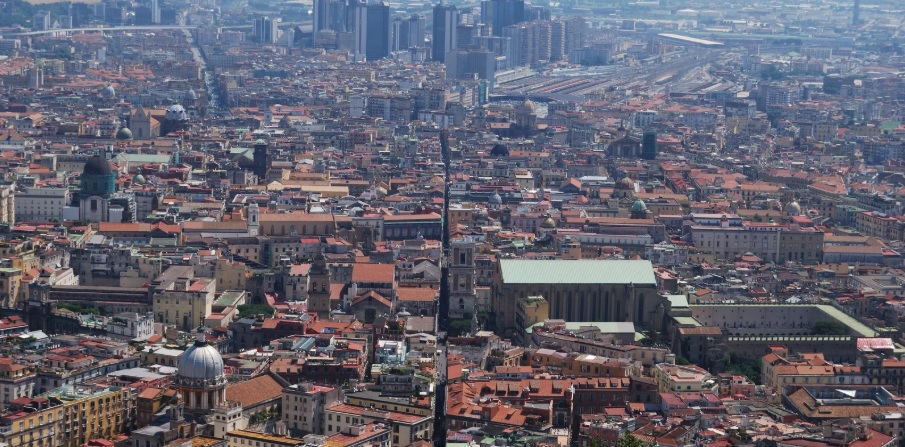
The Heart of Naples: A Journey Through Time
The Historic Center of Naples (Centro Storico) is not just a neighborhood; it is an open-air museum that has been inhabited for over 2,500 years. As a UNESCO World Heritage site, it is one of the largest and oldest city centers in Europe, preserving a complex layers of history from its Greek foundations to its Roman, Medieval, and Baroque transformations.2
The layout of the center is still defined by the ancient Greek "grid" system. Three main parallel streets, known as Decumani, cross the city from east to west. The most famous of these is the Decumano Inferiore, popularly called Spaccanapoli (meaning "Naples splitter") because it appears to cut the city in a perfectly straight line when viewed from above. Walking through these narrow, bustling alleys, visitors are greeted by a sensory explosion: the scent of fresh pizza, the shouting of street vendors, and the sight of laundry hanging between balconies.
Religion and superstition are deeply intertwined in the heart of the city. The area is densely packed with hundreds of churches, ranging from the majestic Gesu Nuovo with its unique diamond-pointed stone façade to the mysterious Sansevero Chapel.3 Below the modern pavement lies another world: Napoli Sotterranea (Underground Naples), a labyrinth of tunnels and aqueducts that provided water and shelter to Neapolitans for centuries.
Despite its chaotic energy and decaying grandeur, the Historic Center remains the soul of Neapolitan identity. It is a place where high art and street life coexist effortlessly, offering a raw and authentic experience that challenges and charms every traveler who wanders into its depths.